
Zhejiang Mingli Machine Technology Co., Ltd.
Many buyers approach a bag making machine purchase with a packaging style already in mind — usually because it's what a competitor's product looks like on the shelf. But the sealing type you choose isn't just a look. It determines the machine structure, the equipment investment, and what your packaging can actually do. Here's how to work backward from what your product needs, rather than forward from what looks familiar.
| Three-Side Seal | Four-Side Seal | Stand-Up Pouch |
| Film folded once, sealed on two sides plus the fold | Four independent seals, often with a valve or complex opening | Gusseted base lets the bag stand upright on shelf |
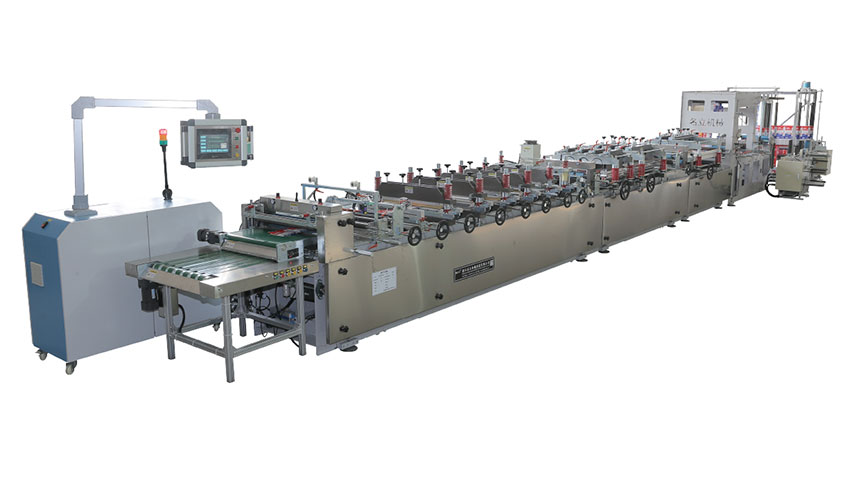
How it's made: Film is folded once and sealed along two sides plus the bottom fold — the simplest structure among the three.
Best for: Everyday food packaging, tea bags, snacks, and dry goods where packaging cost matters more than shelf presentation.
Trade-off: The simple structure limits shelf presence — this isn't the format to reach for if the product needs to stand upright or carry a premium look.
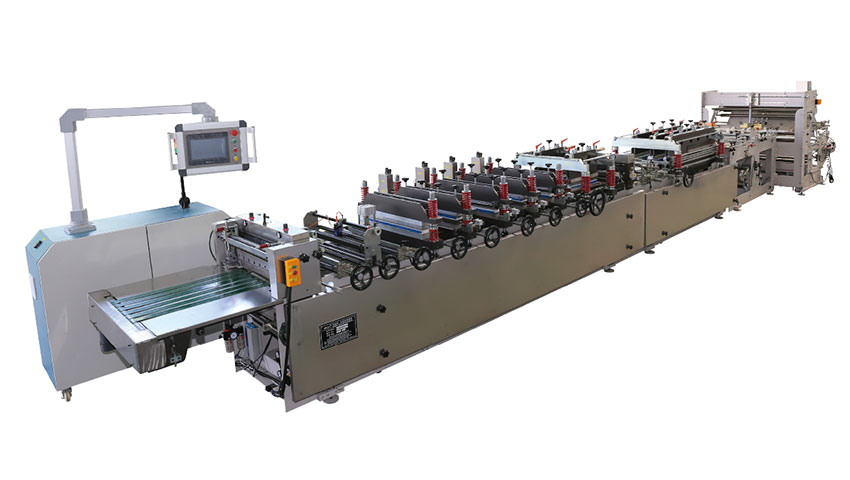
How it's made: Built from a pillow or center-seal structure with four independent seals, which allows for added features like degassing valves or tear notches.
Best for: Products that need a one-way valve — coffee and pet food are common examples — or powders and granules that require a stronger, more controlled seal.
Trade-off: More seal stations and a more complex mold mean a bigger equipment investment and more upkeep than a three-side seal line — a factor worth weighing against your budget planning.
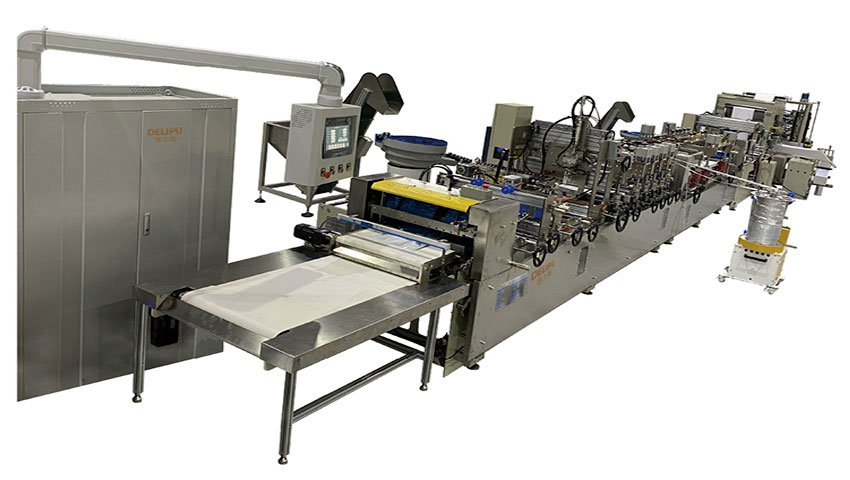
How it's made: A gusseted base gives the bag a self-standing structure, often paired with add-ons like zippers or spouts.
Best for: Consumer products where upright shelf display and brand presentation matter — pet food, liquid condiments, and household products. The same gusseted-base principle also shows up in bag-in-box (BIB) liquid packaging, where a stable, self-supporting structure is just as important.
Trade-off: This is the most complex — and typically the most expensive and longest-lead-time — format of the three, best suited to product lines where visual presentation or added function justifies the investment.
| 1 |
Does the product need to stand upright with strong shelf presence? Lean toward a stand-up pouch machine. |
| 2 |
Does it need a degassing valve, zipper, or a more complex opening? A four-side seal machine is usually the better fit. |
| 3 |
Is minimizing equipment investment and getting to production fast the priority, with no strict presentation needs? Three-side seal is usually the most direct starting point. |
Many brands end up running more than one format across different product lines rather than treating this as a single, permanent choice.
Rather than choosing a sealing type in isolation, it's worth asking your supplier what happens if your product line evolves — say, from a basic three-side seal bag to a stand-up pouch as the brand grows. Some equipment and production lines can be upgraded or expanded; others require starting over. That's a conversation worth having before you order, not after.
Mingli's product lines span three-side seal, four-side seal, and stand-up pouch and bag-in-box configurations across food, industrial, and medical applications — so recommendations are based on what fits your product and shelf strategy, not a single format pushed as a universal solution.
Not sure which sealing type fits your product? Tell us what you're packaging, how it needs to display, and any functional features like valves or zippers — we'll help you find the right match.
Get in Touch